Dust Mites Explained What They Are Where They Live and Why They Trigger Allergies

Household dust is in part made up of tiny mites called dust mites. They do not bite, spread disease, or crawl on people like fleas but is a common cause of indoor allergy symptoms.

What dust mites are
Dust mites are microscopic arachnids, which means they are related to spiders and ticks. They are far too small to see without magnification. Unlike bed bugs, they do not feed on blood. Their main food source is tiny flakes of shed skin from people and pets.
They thrive in homes because homes provide everything they need:
Food from skin flakes
Warm rooms
Soft fabrics that trap particles
Moisture in the air
Dust mites absorb moisture from the air rather than drinking water. That is why they tend to do better in humid spaces and decline in dry conditions.
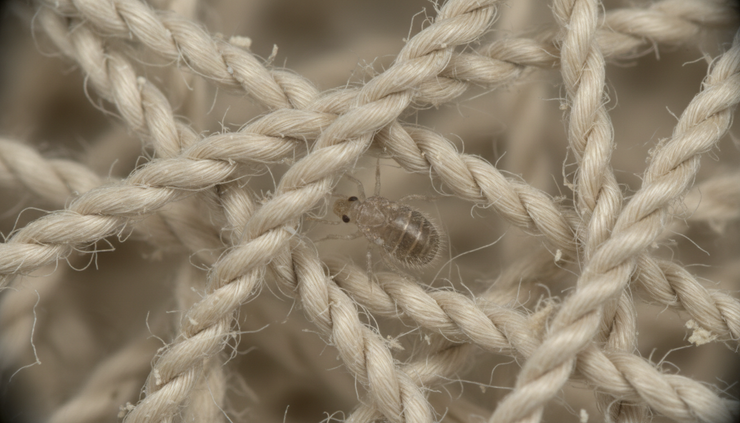
Where dust mites live in the home
Dust mites settle where skin flakes and fabric collect. The highest concentrations are often found in places where people spend long stretches of time.
Common dust mite habitats include:
Mattresses and box springs
Pillows and comforters
Upholstered sofas and chairs
Carpets and rugs
Curtains
Stuffed animals
Pet beds
Hard surfaces, such as wood floors, tile, and plastic blinds, are less friendly to dust mites because they do not trap as much dust and organic debris.
What makes dust mites allergens
The main allergens come from proteins in their waste particles and body fragments. As mites live and die, these particles build up in dust.
When bedding is shaken, a carpet is walked on, or a sofa cushion is disturbed, tiny particles can become airborne. People may breathe them in or get them in their eyes. In someone with a dust allergy, the immune system mistakes those proteins for a threat and reacts.
Possible reactions include:
Sneezing
Runny or stuffy nose
Itchy or watery eyes
Coughing
Postnasal drip
Worsening asthma symptoms in sensitive people
Dust mites are among the most common indoor allergens, along with pet dander, mold, and cockroach particles.

Why symptoms often feel worse indoors
Dust mite exposure can feel worse at night or first thing in the morning because bedding is a major source. Symptoms may also flare when cleaning, vacuuming, or changing sheets, since those activities stir dust into the air.
Humidity matters too. Dust mites tend to thrive when indoor air is damp. Keeping indoor humidity lower can make the home less comfortable for them, though it will not remove allergens that are already built up in fabrics.
The practical takeaway
Dust mites are not a sign that a home is dirty. They are a normal part of indoor dust, especially in soft, warm, humid places. The real problem is the allergenic protein in their waste and body fragments.
Reducing exposure usually starts with the places closest to the body: wash bedding regularly in hot water when fabric care allows, use allergen-resistant covers on mattresses and pillows, reduce dust-trapping clutter, and keep humidity under control.
A dust-free home is not realistic, but a home with fewer dust mite particles is. Focus on bedding, humidity, and washable fabrics first. Those steps make the biggest difference where exposure tends to be highest.
For expert evaluation and treatment of your dust allergies, make an appointment with Avant Allergy in Los Angeles today.


Comments